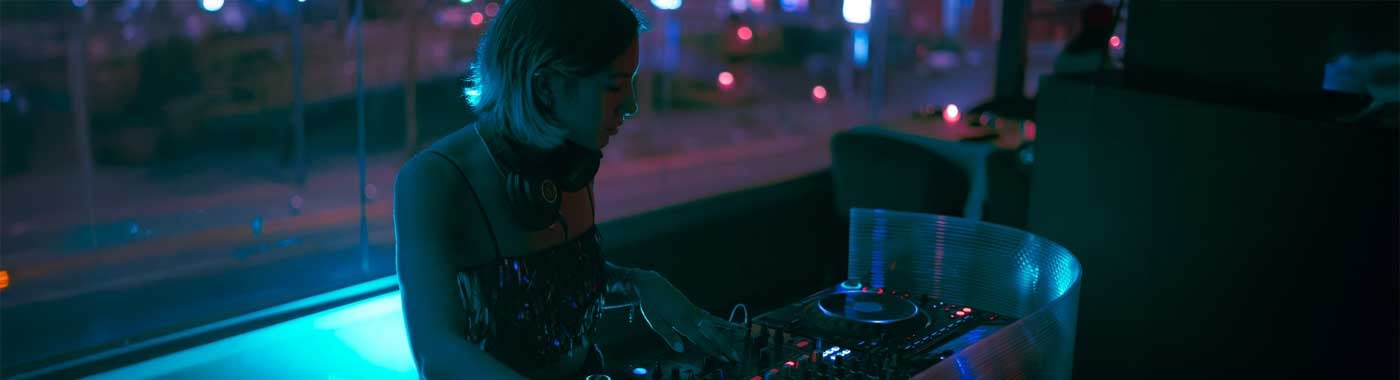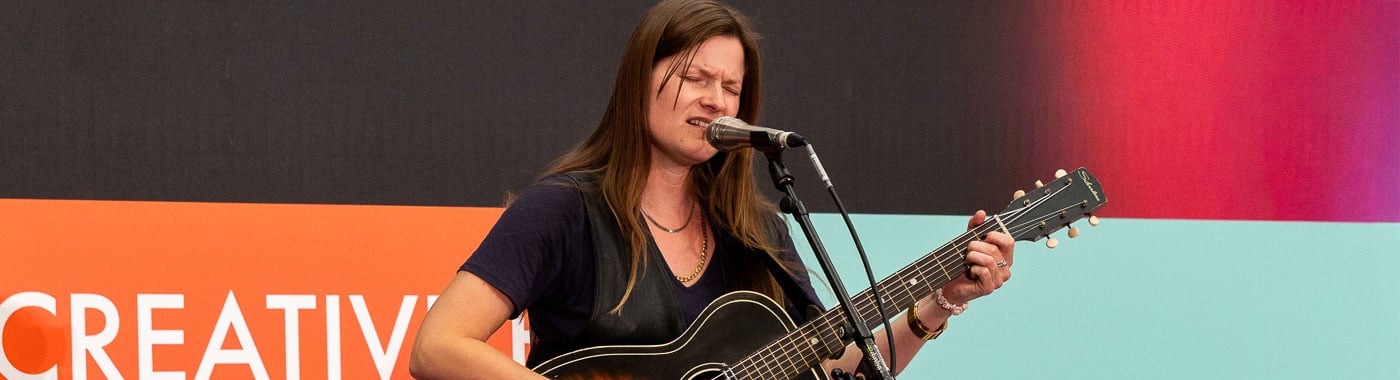
Next year’s Isle of Wight Festival line-up was recently announced, and has been received with excitement. But there is a glaring statistic people are missing: nearly 80% of the performers are male. This isn’t unique to the Isle of Wight – headline festivals across the UK often reveal similar patterns, and with more major line-ups set to be announced in the coming weeks, it’s likely we’ll see the same imbalance reflected elsewhere.
It’s easy to celebrate the headline acts and the festival’s legacy, yet this disparity highlights a deeper, persistent issue across the music industry. Gender inequity isn’t confined to the stage; it runs through studios, production rooms, and the decision-making processes that shape what audiences hear. Less than 6% of music producers in the UK are women, with even fewer from other underrepresented groups. From the stage to every brand’s creative campaign, the voices shaping the music that defines our culture remain narrow and unrepresentative.
But this isn’t just an ethical concern – it has real commercial implications. Music drives memory, emotion, and cultural resonance in ways visuals alone cannot. When the creators behind the soundtracks are overwhelmingly homogenous, campaigns and events risk feeling predictable, inauthentic, or disconnected from the audiences they aim to reach. In a world where cultural relevance drives engagement, ignoring diversity can undermine both audience connection and commercial success.
Representation shapes resonance
The Unstereotype Alliance’s Inclusion = Income report proved that ads with progressive representation drive stronger engagement and commercial return. Music isn’t just decoration, it’s a vital part of this authentic storytelling process.
Yet too often, campaigns rely on the same sources, the same composers, and the same familiar voices. The result is a creative echo chamber: culturally narrow, safe, and ultimately forgettable. Expanding who creates the music – from producers to session musicians to composers – broadens the emotional palette and strengthens the cultural relevance of campaigns, festivals, and music itself.
Johnnie Walker’s Errata at 88 demonstrated how inclusive creativity can drive impact for both culture and brand. Developed in partnership with Diageo Brasil and AlmapBBDO, the campaign went beyond celebrating Alaíde Costa, the 88-year-old Black Bossa Nova pioneer who was barred from performing at Carnegie Hall in 1962 due to prejudice. It actively corrected history, issuing a formal errata and welcoming her back to the stage in 2023 – where she received a three-minute standing ovation.
For Johnnie Walker, the effects extended far beyond music. The campaign reinforced the Keep Walking ethos with a striking message: progress sometimes means acknowledging and correcting past wrongs. Alaíde’s story captured headlines, sparked widespread conversation in Brazil and internationally, and connected the brand with a younger, socially conscious audience. Most importantly, it exemplified inclusion from narrative to soundtrack, showing how legacy brands can remain culturally relevant for the next generation through sound.
The future of music at a crossroads
The music industry is being reshaped by technology. Automation and AI offer exciting creative possibilities, but without deliberate action, these tools risk amplifying existing inequities. Emerging and underrepresented artists already face barriers to being heard, and algorithmic curation that favors familiarity over originality threatens to narrow the cultural landscape even further. The music of tomorrow could become less human, less diverse, and less meaningful if we fail to act now to establish frameworks and practices that allow diverse talent to be discovered, amplified, and celebrated.
This is not just an inclusion issue for today – it is a strategic imperative for the industry’s future. Diversity behind the music shapes the ideas, experimentation, and innovation that define cultural trends. It determines not only what audiences hear today, but also which voices and sounds are preserved for tomorrow. Festivals, labels, and brands must embed representation in every decision about who creates, licenses, and produces music – not only to reflect society, but to ensure the industry remains dynamic, relevant, and resilient in an increasingly competitive and technology-driven landscape.
Shaping a more inclusive sound
While the challenge is systemic, there are concrete steps the industry can take to shift the balance. It starts with a close examination of creative supply chains: who is being briefed, commissioned, credited, and paid, and how these figures compare to the diversity of the audiences they aim to reach. From there, inclusivity must be embedded into briefs from the outset, rather than treated as an afterthought, ensuring that diversity informs the creative process at every stage. Measuring the impact of these efforts is equally critical – tracking engagement, recall, and audience sentiment can reveal how inclusive sound shapes connection and cultural resonance.
Finally, supporting emerging talent through mentorship, paid placements, and visible credits ensures underrepresented voices have a pathway to build careers and influence the industry.
Taken together, these steps require brands to rethink how they commission and create music, but this shift in mindset unlocks richer, more authentic, and ultimately more compelling creative outcomes.
Keep it human
The Isle of Wight Festival line-up is a stark reminder that representation matters – on stage and behind it. Music shapes culture, builds emotional connection, and amplifies stories in ways visuals alone cannot. By rethinking who gets to create, commission, and curate, the industry can unlock richer, more authentic creative outcomes while ensuring its future remains dynamic and relevant.
Gender balance in music isn’t just an ethical obligation – it is a commercial and creative imperative. Festivals, labels, and brands that prioritise inclusivity will produce work that resonates more deeply, reflects the diversity of society, and drives lasting cultural and business impact. Inclusive sound is not charity; it is culture, and its power is essential to sustaining music as a human, meaningful art form.